
Not Sure How to Start a Garden? These 16 Gardening Types Make It Easy
If you’ve ever wondered “What is the best gardening method for beginners?” or “Which type of garden should I start?”, you’re in the right place.
From traditional in-ground gardening to raised beds, and sustainable permaculture systems, there are many different methods and types to gardening. Each type and method of garden is suited to different spaces, climates, and goals.
Whether you’re starting a backyard vegetable garden, planning a homestead, understanding your options is the first step to success. This guide breaks down 16 popular gardening types and methods, explaining what it is and the pros and cons so you can determine what the best choice for your garden.
By the end of this post, you’ll have an understanding of your options and the confidence to start growing food or flowers in a way that works for you.
Looking to learn more about the garden types mentioned below? This post includes a carefully selected list of homesteading and gardening books we’ve read, each summarized to help you decide which best fits your goals.
Types and Methods of Gardens
There are many different types of backyard gardens, and choosing the right one depends on your space, goals, and experience level.
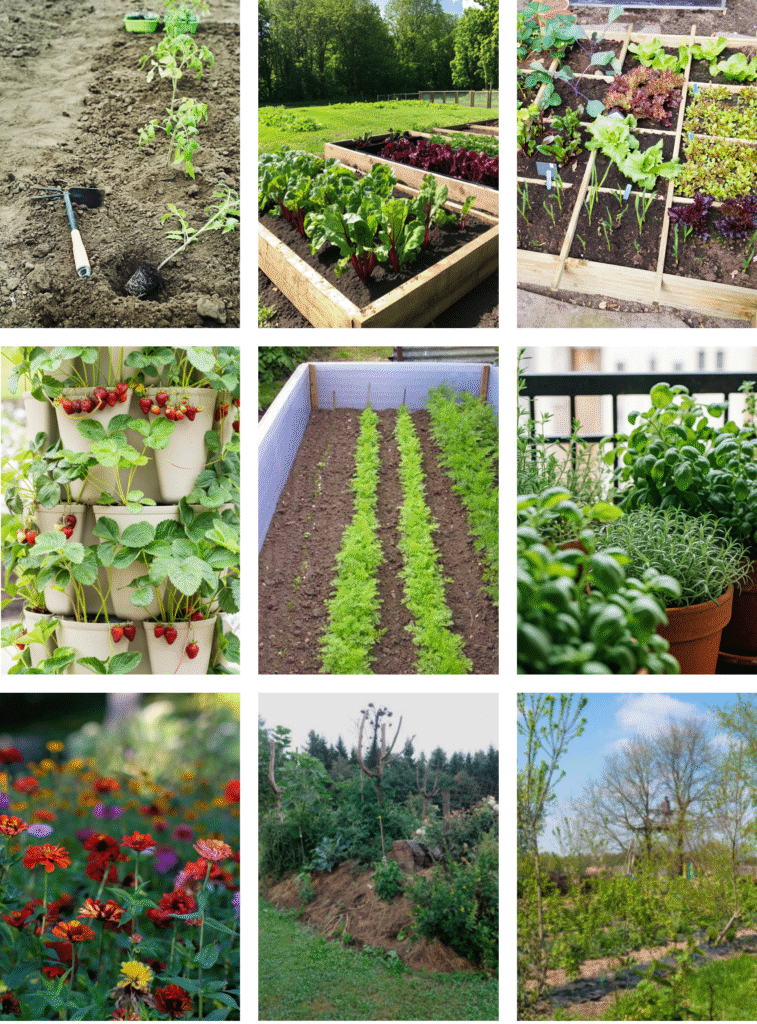
Criteria for selecting the right garden for you
First, ask yourself the following questions to choose the right backyard garden. You don’t have to choose a single garden type or method. You can choose multiple methods and pair them with different gardening types.
How much space do you have?
How much sun exposure is there in the space?
Do you want to grow food or flowers?
How much time do you have for maintaining the garden?
In-ground Garden
A backyard in-ground garden is a traditional garden where you plant the vegetables or flowers directly into the ground, then sometimes cover with mulch or landscaping fabric. In-ground gardens rely on soil health, drainage, and sunlight, making soil preparation and amendments like compost essential for long-term success.
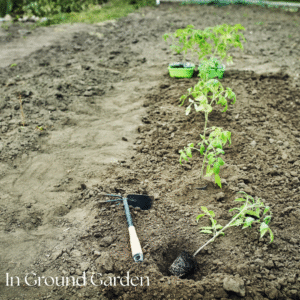
Pros of In-Ground Garden:
- Low start-up cost
- Helps maintain the natural soil ecosystem
Cons of In-Ground Garden:
- Not ideal for areas with poor soil quality
- Most susceptible to weeds and pests
Raised-Bed Garden
There are many different styles of raised bed gardens. A traditional raised garden bed is where the plants grow above the ground, typically contained by wood. However, a raised bed garden can be elevated 4 inches to 4 ft off the ground. They may be open to the ground or enclosed at the bottom. Raised garden beds can be contained with wood, metal, stone, etc. This type of garden improves drainage, allows better soil control, and reduces weeds. Raised beds are ideal for beginner gardeners, small spaces, and those looking for an efficient and organized vegetable garden.
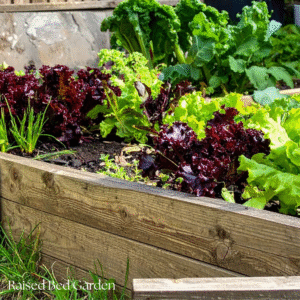
Pros Raised Bed Garden:
- Better soil control
- Fewer weeds
- Easier on the body, less bending over
Cons of In-Ground Garden:
- Higher startup cost
Container Garden
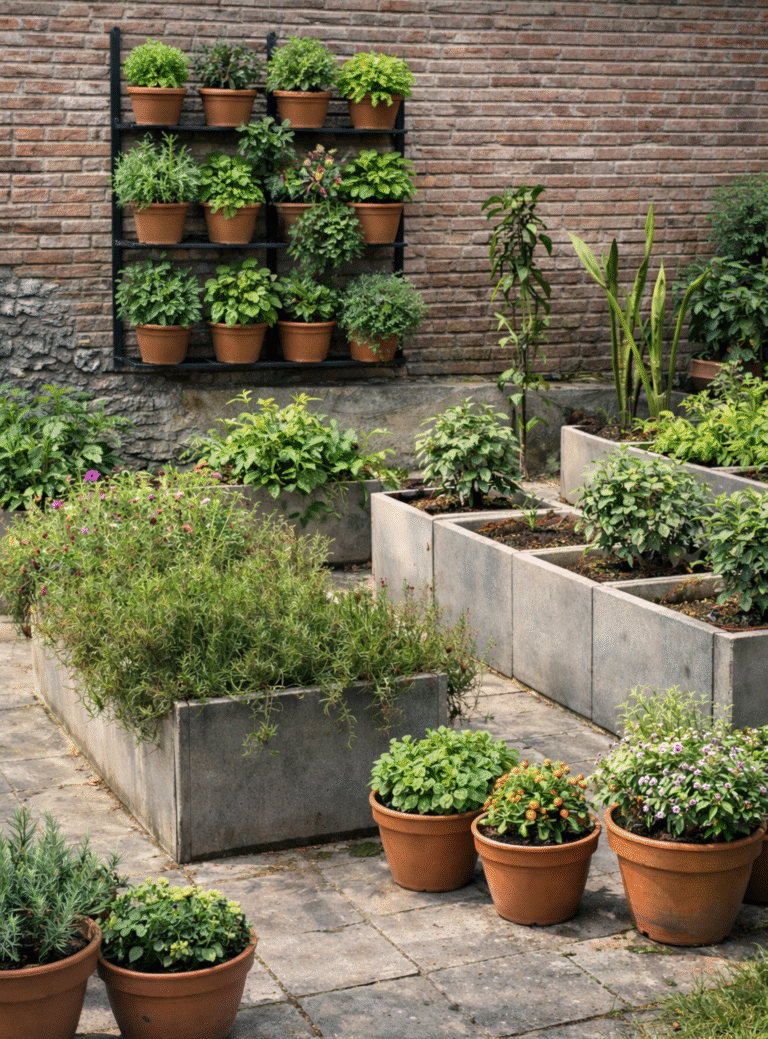
Similar to raised garden beds, a container garden is where plants are grown in pots, buckets, grow bags, or other containers. Container gardens are typically grown in small places and are best for beginner vegetable gardeners, patios, balconies, renters, and specific types of plants. Yes, mint I’m looking at you. Planting in a container allows for portability but requires frequent watering and high-quality potting soil to prevent compaction.
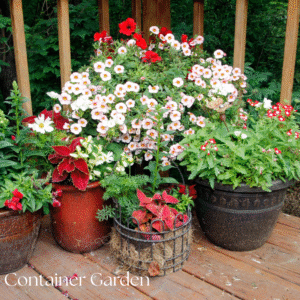
Pros Container Garden:
- Portable and decorative pots
- Great for limited space
Cons Container Garden:
- Frequent watering
- Limited growing options
- Soil compacts easily, limiting root growth
Vertical Garden
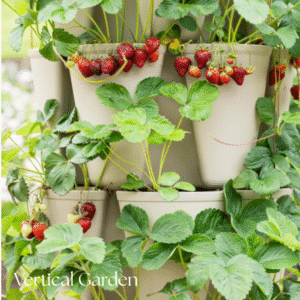
Vertical gardening is a space-saving method of growing plants upward instead of outward. The vertical aspect of growing uses structures like trellises, cages, wall planters, hanging baskets, or stacked planters. It is best used for small spaces and for spreading plants like vining vegetables, herbs, and flowers.
Pros of Vertical Garden:
- Space-saving
- Improved air circulation for disease prevention
Cons of Vertical Garden:
- Requires support structures
- Plant choice limitations
Square Foot Garden
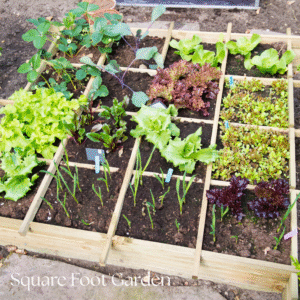
Square foot gardening divides a raised bed into 1-foot by 1-foot squares. Within each square planted, a specific number of plants is planted based on their size requirements. Compared to planting in long rows, you grow crops in compact, evenly spaced sections based on their estimated growing size
Pros of Square Foot Garden:
- Efficient spacing for higher yields
Cons of Square Foot Garden:
- Requires upfront planning
Succession Planting
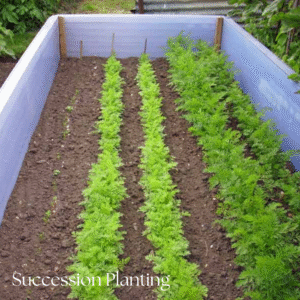
Succession planting is a gardening method that focuses on a longer harvest by planting the same crop at staggered times. New plants are always growing as others are being harvested.
Pros of Succession Planting:
- Continuous harvests all season long
- Maximizes garden space
Cons of Succession Planting:
- Requires planning and tracking
- More garden maintenance
Companion Planting
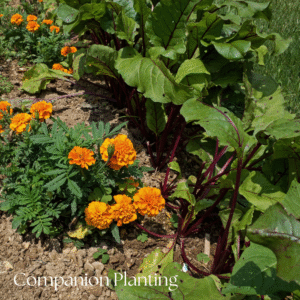
Companion planting is the practice of growing certain plants together to improve growth, reduce pests, and increase overall garden health. Some plants naturally benefit each other when planted nearby, while others grow better when kept apart. Companion planting uses the ecology of symbiotic relationships. Symbiosis is an interaction between two different species in an ecosystem that benefits one or both parties involved. Companion planting is widely used in organic gardening and sustainable backyard vegetable gardens.
Pros of Companion Planting:
- Helps reduce pests naturally
- Improves plant growth and yields
- Supports organic and chemical-free gardening
Cons of Companion Planting:
- Requires planning and plant knowledge
- Not all plant pairings are compatible
- Results can vary by climate and garden conditions
Herb Garden Companion Planting Guide
Common Companion Planting Examples
- Tomatoes + basil = improves flavor, repels pests
- Carrots + onions = confuse pests
- Corn + beans + squash = Three Sisters method
- Cucumbers + nasturtiums = pest deterrent
- Lettuce + radishes = space-efficient pairing
Crop Rotation
Rotating Crops is a method where the location of the same crop is rotated each year. This is instead of growing the same plants in the same spot year after year. Rotating crops helps maintain soil health and reduces pest and disease problems.
A common approach is rotating plant families (such as tomatoes, legumes, leafy greens, and root crops) on a multi-year cycle. Crop rotation is a good choice for gardeners who use the same garden space each year, grow a variety of vegetables, and are planning a long-term garden.
Pros of Crop Rotation:
- Improves soil health and nutrient balance
- Reduces buildup of pests and plant diseases
- Supports long-term garden productivity
Cons of Crop Rotation:
- Requires planning and record keeping
- Less flexible if space is limited
- Takes time to see full benefits
Herb Garden
An herb garden is a garden that specifically grows medicinal and/ or culinary herbs. Herbs can be grown indoors or outside in containers on patios, between landscaping, or in a garden. Herbs are the best beginner garden.
Check out this beginner-friendly guide for a list of 50+ herbs uses and growing requirements.
Flower Garden (Pollinator or Cut Flower)
A flower garden is a garden that only grows flowers. It can be used as landscaping, planned for a profitable cut flower operation, or used to attract beneficial pollinating insects. This type of gardening enhances biodiversity and pairs well with vegetable and homestead gardens. Flower gardens play an important role in attracting bees, butterflies, and other beneficial insects.
Kitchen Garden (French Kitchen Garden)
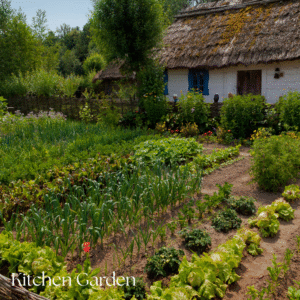
A kitchen garden or French kitchen garden, is a garden that is physically close to the kitchen. It grows herbs, vegetables, flowers, and medicinal herbs, all commonly used in the kitchen. This gardening method focuses on growing food close to the home for easy harvesting and maintaining an appealing layout.
Pros of a Kitchen Garden:
- Useful and efficient
Cons of a Kitchen Garden:
- Limited space or location
Chaos Gardening
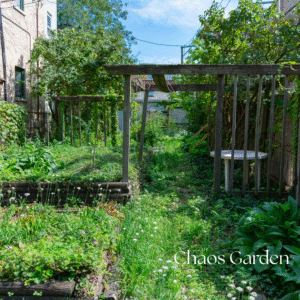
Chaos gardening is a low-maintenance natural gardening method where seeds are scattered with minimal intervention rather than carefully planted in rows. The goal is to let plants grow where they thrive naturally, mimicking how plants self-seed in nature. There is minimal weeding involved because the green ground cover acts as a mulch, retaining soil moisture. Chaos gardens look…. Chaotic.
Pros of Chaos Gardening:
- Very low effort and beginner-friendly
- Encourages biodiversity and pollinators
- Embraces imperfections and experimentation
Cons of Chaos Gardening:
- Less control over layout and spacing
- Can look messy or overcrowded
- Harder to identify seedlings
No-Till / Cover Crop Garden
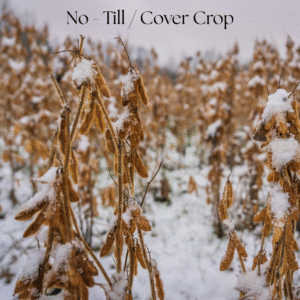
A no till/ cover crop garden is a method of gardening that grows a type of grass in the off-season, so the bed is not bare or empty. Then, when it is time to plant your desired crop, the seeds or saplings are planted between the cover crop, so it acts as a mulch, retaining soil moisture. Typical cover crops are clover, grains, and legumes that fix nitrogen in the atmosphere and bring it back into the soil.
Pros of No-Till / Cover Crop:
- Healthier soil without added chemicals
Cons of No-Till / Cover Crop:
- Additional seeds needed
- Can take time to see results
- Additional “weeds”
Homestead Permaculture Garden
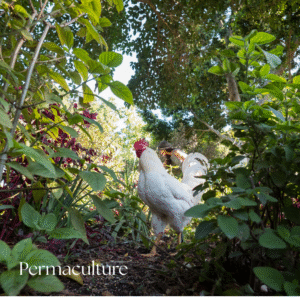
Permaculture is a term derived from “permanent” and “agriculture,” and it is a holistic gardening method that combines land use systems and food production. Permaculture focuses on sustainability and works with nature rather than against it. An example of land use systems overlapping with food production is keeping chickens near the garden. You can easily feed them food scraps from the garden and in return, use their manure as compost.
If you are in your first year of homesteading, make sure you follow these 7 steps to set up your homestead for success.
Pros of Homestead Permaculture Garden:
- Builds healthy, biodiverse soil over time
- Lowers long-term maintenance once established
- Creates resilient, self-sustaining systems
Cons of Homestead Permaculture Garden:
- Takes time to establish and see results
- Requires thoughtful planning and observation
- Harder to change once systems are in place
Hügelkultur Garden (Wood-Based Raised Beds)
Hügelkultur (pronounced HYOO-gel-kull-ture) is a gardening method that uses decaying wood layered under soil and organic matter to create raised or mounded garden beds. Gardening using Hügelkultur beds works because as the wood breaks down, it feeds the soil, improves drainage, and retains moisture. Plants are grown directly in the soil on top of the mounds to create nutrient-rich growing beds. These mounded garden beds start a few feet tall and decrease in size as the material underneath decomposes.
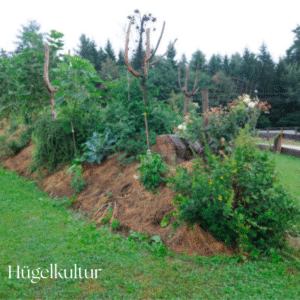
Pros of Hügelkultur Garden:
- Excellent water retention
- Improves poor soil over time
- Uses natural, often free materials
Cons of Hügelkultur Garden:
- Takes time to build
- Beds can shift or settle as wood decomposes
- Not ideal for very small or manicured yards
Food Forest
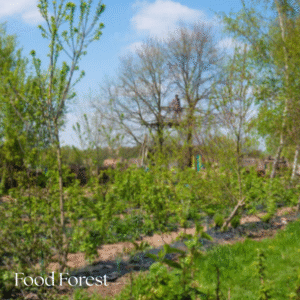
A food forest is a perennial-based gardening system designed to mimic the structure of a natural forest while producing food. Instead of planting annual crops, a food forest focuses on edible trees, shrubs, and perennials that work together in a self-sustaining ecosystem. A traditional food forest is made up of multiple layers, each serving a purpose. Reaching from the canopy to the ground cover layer maximizes space and supports biodiversity.
Pros of Food Forest:
- Produces food for decades once established
- Low maintenance compared to annual gardens
- Drought-resistant once mature
Cons of Food Forest:
- Takes several years to reach full productivity
- Requires careful planning and spacing
- Not ideal for small or temporary spaces
Common Beginner Mistakes to Avoid
Now that you have an idea of what type of garden you want, here are some common mistakes to avoid.
Starting too big too soon. If this is your first-year garden, you will have no idea what to expect for the full growing season.
Ignoring plant growing requirements. Each plant has different growing needs, like full sun or shade. Some plants also inhibit the growth of other plants.
Conclusion
There is no single “right” way to garden. The best garden is one that fits your space, lifestyle, and goals. Whether you choose raised beds or a long-term permaculture approach, each gardening type and method offers unique benefits. Many gardeners find success by combining several methods in one backyard.
If you’re just starting out, begin small and focus on learning what works best in your environment. Gardening is a process, and every season brings new opportunities to grow, experiment, and improve.
Understanding the pros and cons of different gardening types and methods can help you choose the best garden style for your space, time, and goals.
Summary of Pros and Cons of Each
| Gardening Method / Type | Pros | Cons |
| In-Ground Garden | Low startup cost, uses native soil, good for large spaces | Soil quality issues, more weeds, harder on the body |
| Raised Bed Garden | Better soil control, fewer weeds, easier access, beginner-friendly | Higher upfront cost, materials required |
| Container Garden | Great for small spaces, portable, renter-friendly | Frequent watering, limited growing options, soil compacts easily |
| Vertical Garden | Saves space, improves airflow, easier harvesting | Requires supports, limited plant choices |
| Square Foot Garden | Organized, efficient use of space, high yields | Requires planning, nutrients deplete faster |
| Succession Gardening | Continuous harvests, maximizes space, reduces waste | Requires planning and tracking |
| Companion Planting | Natural pest control, healthier plants, attracts pollinators | Requires plant knowledge, results vary |
| Crop Rotation | Improves soil health, reduces pests and disease | Needs planning, harder in small gardens |
| Herb Garden | Easy for beginners, low maintenance, versatile | Limited food production, some herbs spread |
| Flower Garden | Supports pollinators, adds beauty, boosts biodiversity | No food yield, seasonal blooms |
| Kitchen Garden | Combines beauty and function, efficient layout | Requires planning and upkeep |
| Chaos Gardening | Very low effort, beginner-friendly, encourages biodiversity | Messy appearance, less control |
| No-Till / Cover Crop Garden | Builds soil health, fewer weeds long-term, sustainable | Takes time to establish, can look unkempt |
| Permaculture Homestead | Sustainable, resilient, long-term food systems | Slow to establish, learning curve |
| Hügelkultur | Excellent water retention, improves soil fertility | Labor-intensive to build, settling over time |
| Food Forest | Long-term harvests, low maintenance once mature | Takes years to produce, less flexible |
Ready to start your own garden?
Take the next step by choosing a garden type that fits your goals and space. Next, plan your layout and start planting your first crops. If you want to learn more, this post includes a carefully selected list of homesteading and gardening books we’ve read, each summarized to help you decide which best fits your goals.
If you are interested in a herb Garden, check out this guide for 50+ herbs’ uses and growing requirements.
Did you find this helpful or think I missed a garden type or method? Leave it in the comments below!
This post may contain affiliate links. Please read our disclosure policy
Great post! Your tips help make gardening possible for anyone. 🙂
This is such a comprehensive guide and so helpful! Thank you for sharing all the options to make gardening accessible for everyone.
Wow! So many great options! Thanks for sharing all of the ideas 🙂
I am just about start my garden for the year and these are such great tips!