
The 11 Best Homesteading Books for a Self-Sufficient Backyard
Winter is the best time to educate yourself on topics you want to start or master this upcoming year on the homestead. Whether you’re just starting out or have years of experience, these books offer practical, trustworthy guidance. Having the information these books offer on a bookshelf instead of a website, because the internet isn’t always reliable. Physical books offer dependable, well-researched information you can reference anytime, without relying on changing online content or questionable sources.
These are all books that we have read in preparation for starting our homestead. You don’t need all these books to get started. Some books in this list offer summarized solutions and some are more in-depth. There are encyclopedias that are great reference guides and there are cookbooks that teach you how to utilize your harvest and cook from scratch.
The Backyard Homestead by Carleen Madigan

This book is a bestseller, and rightfully so. If you could buy one book from this list, please let it be this one. The Back Yard Homestead is a thorough introduction to homesteading for beginners. It breaks down different garden layouts and methods on just a quarter acre to help you maximize space. Anyone can start their homestead journey with as little as a quarter of an acre. You can start a suburban homestead. Just the table of contents highlights growing fruit and nut trees, easy herbs, homegrown grains, poultry for meat and eggs, meat and dairy, and food from the wild. The Backyard Homestead book has helpful growing charts and recipes of preservation slipped in. It is the best beginner’s guide to all the homesteading things.
If you already have a homestead but don’t know where to start, these 7 steps are often overlooked and help set you up for success.
The Backyard Homestead Guide to Raising Farm Animals by Gail Damerow

This is the livestock basics of The Backyard Homestead. It focuses on raising chickens, turkeys, ducks, rabbits, goats, sheep, pigs, cattle, and bees. This book covers the biology, different breed options, how to raise, care, and keep, reproducing, and butchering. Livestock basics have never been easier with Backyard Homestead Guide to Raising Farm Animals. It has become our handbook when selecting animal breeds and how to care for them on our homestead. For books on individual animals, check out Storey’s Guide below.
Back to Basics by Abigail Gehring
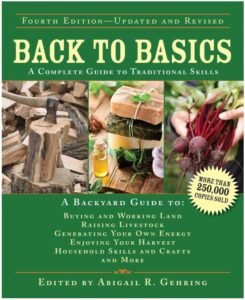
This book teaches traditional skills needed to start a homestead and skills to do in the household. There is more than just practical advice in this book; there is an entire section based on recreation at home and in the wild. The type of skills displayed in this book boasts of basic living skills—the kind our great-grandparents used. If you are interested in off-grid living, self-sufficiency, and preparedness, this book teaches you how to accomplish it. Back to Basics is well-organized with step-by-step instructions and detailed illustrations, making it easy to understand and follow.
Homesteading by Abigail Gehring
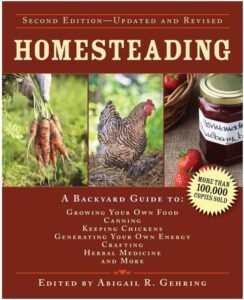
Another great introduction to homesteading book, this is the companion to Back to Basics. This book highlights a back-to-nature movement that can resonate with anyone who lives on or off-grid. From what to eat to saving money, to supporting sustainable restaurants, to avoiding dry cleaning, and reducing waste, this book offers eco-friendly skills for living a more self-sufficient and sustainable life. Homesteading gets down to the real thing, not like the glamourized online version, but with budget homestead tips for being self-sufficient like our grandparents.
The Encyclopedia of Country Living by Carla Emery
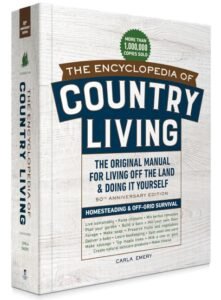
Considered the “homesteader bible”, this book highlights old-fashioned skills, food preservation, livestock, and gardening. It teaches the necessary skills of self-sufficiency and living off the land, whether you live in the city or the country. This book serves as a bible of survival skills and is packed with timeless wisdom for sustainable living.
The Vegetable Gardener’s Bible by Edward C. Smith
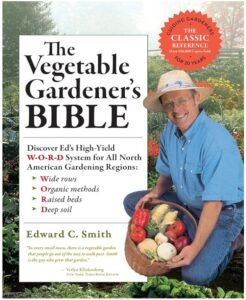
This book is all about gardening fundamentals. It highlights over 70 plants, whereas The Old Farmer’s Almanac Vegetable Gardener’s Handbook only features 32. Gardening topics include soil preparation, plant selection, planting schedules, pest control, crop rotation, and garden design. The organic gardening section highlights soil health and sustainable practices. The Vegetable Gardener’s Bible is a valuable resource to anyone starting a garden. Learn more about 16 types of gardens and methods you can start today.
Gaia’s Garden by Toby Hemenway
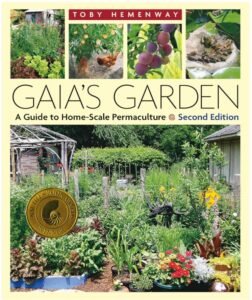
Gaia is Greek for Earth, and Gaia’s Garden is about ecological gardening – permaculture. Permaculture is all about working with nature, not against her. This book emphasizes that we can work within the ecosystems already in place to create a garden with outstanding soil health. No matter the size you are growing, our gardens will be more natural, diverse, and abundant. This book has a handful of sample layouts to transform your yard into an edible “forest” that yields seasonal fruits, nuts, and other foods.
New Encyclopedia of Herbs & Their Uses By Deni Bown
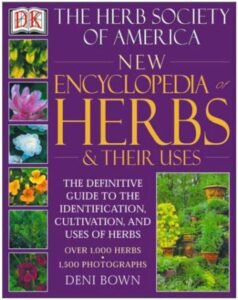
What is the point of growing herbs if you don’t know how to use them? This encyclopedia references over 1,000 herbs found growing in the wild or being cultivated. The beautiful pictures help with plant identification and show how to grow and harvest the herbs. The herb encyclopedia is the book to finding culinary and medicinal uses for each herb. An introduction to herbalism and natural remedies has never been easier.
If you are interested in an herb growing guide, this blog highlights herb companion planting
Nourishing Traditions By Sally Fallon

Nourishing Traditions is a popular cookbook of traditional foods. It challenges what you thought you knew about food and looks at it with an ancestral mindset. The lifestyle and diet that follow this cookbook align with homesteading. When you grow and raise your own food, you have access to unique cuts of meat you can’t find in the grocery store. Nourishing Traditions talks about the importance of cooking from scratch and how to properly prepare grains to be easily digested. This cookbook has recipes for those cuts and tells you the importance of why you should be eating ancestrally.
Complete Guide to Home Canning By U.S. Department of Agriculture
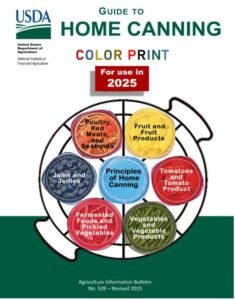
This is the USDA official guide to home canning. This reference guide is the gold standard for safe, science-backed food preservation. It highlights safe canning practices, equipment, and recipes aimed to prevent spoilage and botulism. The recipes in this guide cover fruits, vegetables, poultry, red meat, seafood, ferments, jam, and jellies, using either a water bath or pressure canning. The Complete Guide to Home Canning is especially valuable for beginners who want to learn canning the right way. It is also helpful for experienced homesteaders who want a reliable reference to double-check safety guidelines. This guide is best used as a reference manual and pairs well with more recipe-focused canning books.
Preserving Food Without Freezing or Canning by Centre Terre Vivante

This book teaches you traditional ways of preserving food without freezing or canning. Preservation methods highlighted in this book include drying, fermenting, pickling, and more. The techniques in Preserving Food help maximize flavor without losing nutrition. There are more than 250 recipes to try, and they are accessible to all experience levels.
Taking It Further
Storey’s Guide To
If you want to dig deeper into a certain topic like raising chickens or beekeeping, Storey’s Guide has a 17-book series that dives deep into a specific topic.
- Storey’s Guide to Raising Horses
- Storey’s Guide to Keeping Honeybees
- Storey’s Guide to Raising Meat Goats
- Storey’s Guide to Raising Ducks
- Storey’s Guide to Raising Poultry
- Storey’s Guide to Raising Miniature Livestock
- Storey’s Guide to Raising Turkeys
- Storey’s Guide to Raising Chickens
- Storey’s Guide to Raising Dairy Goats
- Storey’s Guide to Raising Rabbits
- Storey’s Guide to Raising Beef Cattle
- Storey’s Guide to Raising Pigs
- Storey’s Guide to Training Horses
- Storey’s Guide to Raising Sheep
Identification guides
If you are interested in identifying plants, trees, mushrooms, insects, or birds on your homestead, getting a niche guide can help. Make sure to get a localized guide for your appropriate ecosystem.
Have you read any of these books? Did I miss any that should be on the list? Leave a comment and let me know! Happy Homesteading
This post may contain affiliate links. Please read our disclosure policy

One Comment