Popular Chicken Breeds: The Best Choices for Beginners and Homesteaders
Chick days at Tractor Supply are almost here. If you are anything like me… You become reckless when you walk into Tractor Supply, see the heat lamps on, and hear the baby chick chirps. You want to buy a few of each chick on the spot, without rationalizing the space and requirements. We have been raising chicks for 4 years now, and each spring it is harder and harder to say no to baby chicks. This guide will help educate you on the most popular chicken breeds.
There are over 500 recognized chicken breeds and over thousands of different varieties of them. Each breed and variety is capable of different things.
This guide covers the most popular backyard chicken breeds in the U.S., with easy-to-read comparison tables for the best egg-laying chickens, dual-purpose chicken breeds, beginner-friendly breeds, cold-hardy chickens, heat-tolerant chickens, and colorful egg layers.
Whether you want maximum egg production, a rainbow egg basket, cold-hardy birds, or friendly backyard companions, this post helps you find the best backyard chickens for beginners and your homestead goals.
Are you looking to get chickens because you are starting a homestead from scratch? Check out these 6 other things you should do in your first-year homesteading.
What to Consider Before Choosing a Breed
Choosing the right breed depends on your goals. Do you want maximum egg production, a colorful variety of eggs, rapidly growing meat chickens, cold-hardy birds, or friendly backyard companions? Understanding your priorities helps you select the breeds that fit your needs.
- Climate – Cold or Heat Tolerance
Different breeds handle weather differently. If you live in a northern area, you’ll want cold-hardy chickens with smaller combs and dense feathers. In hot climates, choose heat-tolerant breeds that have large combs to release heat. - Space
Some breeds do well in small coops, while others need room to roam. Active foragers need pasture access, whereas calmer birds adapt to more confined areas. - Noise Tolerance
Hens are generally quieter than roosters, but some breeds are more vocal than others. If you live in a suburban area, consider quieter breeds. - Egg Color & Production
Do you want lots of eggs or unique colors? Consider both quantity and variety. - Dual-Purpose Value
Some breeds are versatile, giving you both eggs and meat from the same flock. This can simplify management and reduce costs for homesteaders or backyard keepers. - Meat Production Goals
If you’re raising birds for meat, dual-purpose breeds or broilers are ideal. Dual-purpose breeds offer both eggs and meat, whereas broilers grow rapidly for meat but produce few eggs. - Temperament
Friendly, docile birds are easier to handle, especially if you have children or are a beginner. Calm breeds are great for families and companionship, while active breeds may be more independent and want their. - Availability from Hatcheries
Some heritage or hybrid breeds may be harder to find. Make sure your preferred breed is available from reputable hatcheries or local suppliers before planning your flock.
Best Egg-Laying Chicken Breeds
It takes all hens about 5 to 6 months to lay their first egg. The quality of their diet can affect how soon they lay eggs. All chickens lay eggs, but only a few are dependable as these breeds consistently lay eggs in large quantities. There are also different breeds of chickens that lay different colored eggs. White and brown chicken eggs are the most common eggs. Light blue, olive green, deep brown, and speckled eggs are other potential egg coloring options. They are also gaining popularity because they are pretty and not available in commercial grocery stores.
What are the best chicken breeds for Egg-layers?
- ISA Brown
- Rhode Island Red
- Leghorn
- Australorp
- Barred Rock (Plymouth Rock)
- Easter Egger
- Marans
- Welsummer
- Olive Egger
- Minorca
- Andalusian (Blue Andalusian)
Egg-Laying Chicken Breed Profiles
ISA Brown
ISA Browns are reddish-brown medium-sized birds with a single comb, developed in Europe for high egg production, laying over 300 brown eggs per year. They are friendly, docile, and adapt well to moderate climates. These birds are excellent for beginners looking for prolific, easy-to-manage layers.
Rhode Island Red
Rhode Island Reds are deep red, robust birds with a medium-large comb, originating in the U.S. in the late 1800s. They are dual-purpose, laying 250–300 brown eggs per year, and are confident and hardy, tolerating both cold and heat well. This breed is a strong choice for backyard flocks and beginner homesteaders.
Leghorn
Leghorns are slim, white-feathered birds with a large single comb, a classic Italian layer breed. They produce 280–320 white eggs per year and are active and flighty, thriving in heat but less docile than other breeds. They’re best for owners seeking high egg production rather than a friendly pet.
Australorp
Australorps are medium-large, black glossy-feathered birds developed in Australia from Orpingtons. They lay 250–300 light brown eggs per year and are calm, gentle, and quiet, handling cold well while adapting to moderate heat. They’re perfect for beginners who want a reliable, easygoing layer.
Barred Rock (Plymouth Rock)
Barred Rocks are large birds with black-and-white striped feathers, known for their dual-purpose utility. They lay 200–280 brown eggs per year and are friendly, easygoing, very cold-hardy, and moderately heat-tolerant. They’re a great all-around choice for backyard flocks.
Easter Egger
Easter Eggers are medium-sized birds with varied plumage, often having beards. They lay colorful eggs in blue, green, or olive shades (200–280/year) and are curious, friendly, and adaptable to both heat and cold. Their unique eggs and hardy temperament make them a favorite for family flocks.
Marans
Marans are medium-large birds with black or copper feathers, known for their dark chocolate brown eggs (150–200/year). Calm and steady, they are cold-hardy and tolerate moderate heat. They’re ideal for those seeking striking egg color and dual-purpose utility.
Welsummer
Welsummers are medium birds with red-brown feathers and darker markings, producing 160–250 speckled brown eggs per year. They are active, independent, and cold-hardy, thriving in free-range setups. They’re best suited for experienced keepers who want attractive eggs and hardy birds.
Olive Egger
Olive Eggers are medium birds with varied plumage, often a mix of Marans or Welsummer crosses. They lay 160–250 olive green eggs per year and are friendly, curious, and adaptable to both heat and cold. Their unique egg color makes them a popular choice for backyard flocks.
Minorca
Minorca chickens are sleek black birds with large white earlobes and a very large single comb, producing 200–280 large white eggs per year. They are active, alert, and excel in heat but are less cold-hardy due to their combs. Best for experienced keepers seeking big eggs in warmer climates.
Andalusian (Blue Andalusian)
Andalusians are elegant, slate-blue-feathered birds with a medium-large frame, laying 150–220 white eggs per year. Energetic and flighty, they thrive in heat but are only moderately cold-tolerant. They’re ideal for free-range flocks and experienced chicken owners.
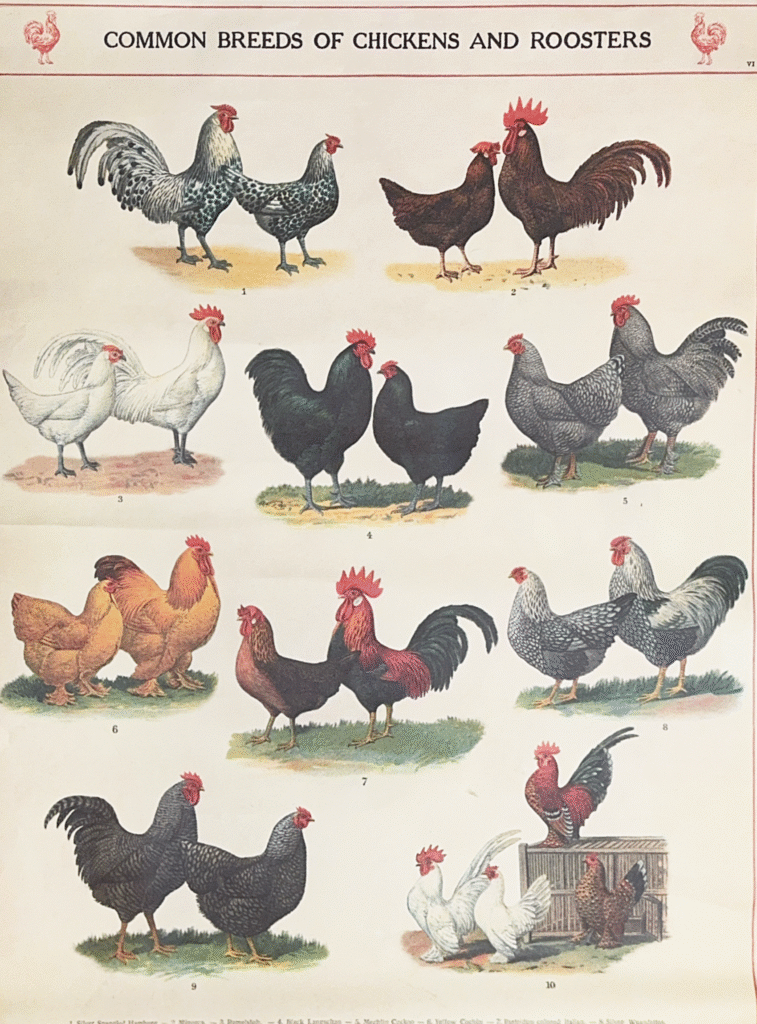
Egg-Laying Chicken Breed Summary Chart
| Breed | Eggs Per Year | Egg Color | Temperament | Climate Tolerance |
| ISA Brown | 300+ | Brown | Very friendly, docile | Moderate cold, handles heat well |
| Rhode Island Red | 250–300 | Brown | Can be assertive with other chickens | Excellent cold tolerance, adaptable to heat |
| Leghorn | 280–320 | White | Active, independent, flighty | Handles heat very well, |
| Australorp | 250–300 | Light brown | Calm, gentle, quiet | Excellent cold tolerance |
| Barred Rock (Plymouth Rock) | 200–280 | Brown | Friendly, easygoing | Very cold-hardy |
| Easter Egger | 200–280 | Blue, green, olive | Curious, friendly | Very adaptable to both heat and cold |
| Marans | 150–200 | Deep chocolate brown | Calm, steady | Cold hardy, handles moderate heat |
| Welsummer | 160–250 | Speckled brown | Active, independent | Cold hardy, good free-ranger |
| Olive Egger | 160–250 | Olive green | Friendly, curious | Very adaptable to heat & cold |
| Minorca | 200–280 | White (very large) | Active, alert | Excellent heat tolerance |
| Andalusian (Blue Andalusian) | 150–220 | White | Energetic, flighty, good foragers | Heat-tolerant, |
What chickens lay the most eggs? ISA Browns and Leghorns are among the highest-producing breeds, often laying over 300 eggs per year under ideal conditions.
Best Dual-Purpose Chicken Breeds
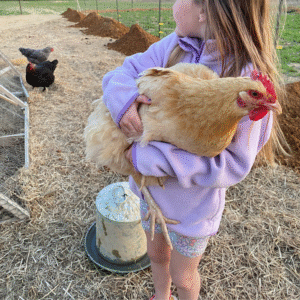
Dual-purpose chicken breeds are great for eggs and meat. They are slower-growing meat birds but lay more eggs than typical meat birds. Dual-purpose chicken breeds weigh more than primary egg layers. These versatile chicken breeds are popular for homesteaders. This allows homesteaders to produce both eggs and meat without managing separate flocks.
What are the best dual-purpose chicken breeds?
- Buff Orpington
- Plymouth Rock (Barred Rock)
- Wyandotte
- Sussex
- Brahma
Dual-Purpose Chicken Breed Profile
Buff Orpington
Buff Orpingtons are large, fluffy, golden-buff birds with a soft, rounded appearance. They lay 200–280 light brown eggs per year and are calm, friendly, and excellent for beginners. Their gentle temperament and cold hardiness make them ideal for backyard flocks.
Plymouth Rock (Barred Rock)
Barred Rocks are medium-large birds with striking black-and-white striped feathers. They lay 200–280 brown eggs per year, are friendly and easygoing, and tolerate cold well. These hardy, versatile chickens are a popular choice for families and homesteaders.
Wyandotte
Wyandottes are medium-to-large birds with laced feather patterns in colors like white or brown and black. They lay 200–240 brown eggs per year and are calm but sometimes assertive. Cold-hardy and reliable, they are great for both eggs and meat in backyard flocks.
Sussex
Sussex chickens are large birds with creamy, light brown, or speckled feathers. They lay 200–250 eggs per year and are curious, friendly, and adaptable. Their hardy nature makes them suitable for moderate climates and beginner flocks.
Brahma
Brahmas are very large “gentle giant” chickens with feathered legs and soft plumage in colors like light, dark, or buff. They lay 150–200 light brown eggs per year and are calm, docile, and cold-hardy. Their size and gentle nature make them ideal for dual-purpose flocks.
Dual-Purpose Chicken Breed Summary Chart
| Breed | Eggs Per Year | Egg Color | Growth Weight | Temperament | Climate Tolerance |
| Buff Orpington | 200–280 | Light brown | 8 lbs. | Very calm, friendly | Excellent cold tolerance |
| Plymouth Rock (Barred Rock) | 200–280 | Brown | 7.5 lbs. | Friendly, easygoing | Very cold hardy, adaptable |
| Wyandotte | 200–240 | Brown | 6.5 lbs. | Calm, sometimes assertive | Very cold hardy |
| Sussex | 200–250 | Light brown / cream | 7 lbs. | Curious, friendly | Cold hardy, adaptable to moderate heat |
| Brahma | 150–200 | Light brown | 9–10 lbs. | Calm, docile | Excellent cold tolerance |
Best Meat Chicken Breeds
Meat chickens, broilers, are solely raised for their meat. These chickens grow fast and reach market weight in 6 to 12 weeks. Broilers weigh more than egg-laying hens and have broad breasts and plump legs. They are different from dual-purpose chickens because broilers are solely grown for fast meat production. There are many ways to raise broilers. Some chicken breeds do better in confined spaces compared to being out on a pasture. Commercially, broilers are raised in chicken houses. Among most homesteaders, broilers are raised on pasture in a movable shelter that moves to fresh grass each day.
Raising broilers requires attention to space, nutrition, and health management to ensure they grow safely and efficiently.
What are the best breeds of meat chicken?
- Cornish Cross
- Freedom Ranger (Red Ranger)
- Jersey Giant
Meat Chicken Breed Profile
Cornish Cross
Cornish Cross chickens are large, broad-breasted birds with white feathers and muscular bodies designed for rapid growth. They reach market weight in 6–8 weeks and are prized for their extremely high meat yield. While efficient and fast-growing, they are less active and require careful management to prevent health issues.
Freedom Ranger (Red Ranger)
Freedom Rangers are medium-to-large, reddish-brown birds with a leaner, more athletic build than Cornish Cross. They grow moderately fast (ready in 9–11 weeks) and are hardy, active, and well-suited for pasture-raised meat production. Their flavor is often considered superior, and they thrive in free-range environments.
Jersey Giant
Jersey Giants are very large, black or blue-feathered chickens with a broad frame and gentle demeanor. They grow slowly (ready in 16–24 weeks) and serve as a dual-purpose breed, providing both meat and eggs. Calm and cold-hardy, they are ideal for spacious backyard flocks or homesteads.
Meat Chicken Breed Summary Chart
| Breed | Growth Rate | Weight | Pros | Cons | Climate Tolerance | Ideal Growing Conditions |
| Cornish Cross | Very fast – ready in 6–8 weeks | 6–8 lbs. | Extremely high meat yield, large breasts, efficient feed conversion | Prone to health issues, less active | Moderate; best in controlled environments | Confined with controlled temperature, high-protein feed, and limited activity |
| Freedom Ranger (Red Ranger) | Moderate – ready in 9–11 weeks | 5–6 lbs. | Hardy, more active, good for pasture, better flavor | Slower growth and smaller breast | Excellent; thrives in free-range & varied climates | Pasture-raised with space to roam, access to shelter, mixed forage & feed diet |
| Jersey Giant | Slow – ready in 16–24 weeks | 10–12 lbs. | Large size, dual-purpose (meat & eggs), gentle temperament | Takes longer to reach market weight, less feed-efficient | Very cold hardy; adapts to moderate climates | Free-range or spacious coop/barn, balanced feed, plenty of space for growth and exercise |
Popular Chicken Breeds for Beginners
These are some of the best chicken breeds for beginners because they are temperature hardy, have a friendly temperament, and easy to manage. For beginner chicken owners, you want a chicken that is easily contained but not skittish. These are also some of the friendliest chicken breeds for families and backyard flocks.
What are the best chicken breeds for beginners?
- Buff Orpington
- Barred Rock
- Australorp
- Sussex
Popular Cold-Hardy Chicken Breeds
If you live in a northern region, these are some of the best chickens for cold climates. Cold-hardy chickens can survive with temperatures down to 20 to 0⁰F with proper shelter. These chicken breeds have smaller combs, which are resistant to frostbite. Their feathers are denser, and they have a heavier body mass to protect themselves against colder temperatures. The real danger with cold climates isn’t just cold- it is the moisture and wind.
What are the best cold-hardy chicken breeds?
- Wyandotte
- Australorp
- Brahma
- Rhode Island Red
Popular Heat-Tolerant Chicken Breeds
If you live in a southern region, these are some of the best chickens for hot climates. Heat-tolerant chickens can survive temperatures from 85–95°F. These chickens have large combs and wattles that help release the heat. Their feathers are loose, and they have a lighter body weight. Chickens cannot sweat, so they cool themselves off by panting and spreading their wings. Chicken, overall, handles heat less effectively than cold temperatures. The real danger with heat is high humidity.
What are the best heat-tolerant chicken breeds?
- Leghorn
- Minorca
- Andalusian
- Easter Egger
Popular Colored Egg Laying Chicken Breeds
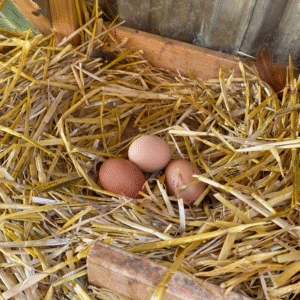
The color of some eggs these chickens lay is almost too pretty to use. The beautiful assortment of eggs can range from green, blue, white, chocolate brown, and speckled. Colored egg layers are becoming increasingly popular among backyard chicken keepers.
What are the best chicken breeds colorful eggs?
- Easter Egger – assortment of green, blue, and brown
- Ameraucana – blue
- Olive Egger -green
- Cream Legbar – light blue
- Marans – chocolate brown
- Welsummer – speckled brown
Conclusion
By understanding the traits, climate tolerance, growth characteristics, and temperament, you can choose the right chicken breed for your homestead or backyard flock. With the right planning and care, your flock can provide fresh eggs, quality meat, or companionship.
Ready to order some of these popular chicken breeds? Aside from Chick Days at Tractor Supply, we use this Hatchery. They carry most of the popular chicken breeds. You might have to find one closer to you, since they are shipping day-old chicks.
Are you looking to get chickens because you are starting a homestead from scratch? Check out these 6 other things you should do in your first-year homesteading.
What chicken breeds do you have in your flock?
Are you choosing chickens for eggs, meat, or both?
This post may contain affiliate links. Please read our disclosure policy