
Pasture-Raised Pork vs Conventional Pork: What You Need to Know Before You Buy
More people are learning about where their food comes from. What they are learning is making them change how they buy it. As consumers become more aware of how meat is raised, many are choosing to buy directly from local farms. Purchasing pasture-raised pork is the solution to conventionally grown pork. Most people don’t have access to pasture-raised meat options in the grocery store. Buying from local farms is the answer, but what exactly is the difference between buying from the grocery store and a local farmer?
You will learn about how pigs are conventionally raised and the difference between pasture-raised pork. You will also learn how to support your local farmers through pork shares; that offer better flavor, improved nutrition, and greater transparency.
What Is Pasture Raised Pork?
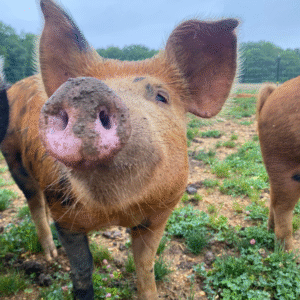
Pasture-raised pork is pork that is raised outdoors on pasture. They can live in woodlands or open fields, while always having access to sunshine, fresh air, and dirt.
Pigs instinctively want to root in the ground while looking for food to eat. They eat bugs, grubs, roots and legumes. This natural behavior improves the soil quality when managed correctly.
Farmers should manage pasture responsibly when raising pigs. They rotate pigs to new pastures so the animals always have access to fresh forage and natural resources beyond their feed. When farmers allow over-grazing or keep pigs in one area too long, the animals can strip the land of nutrients and leave it depleted for future use. This is why knowing your farmer—and understanding how your pork is raised—matters. On our farm, we offer “Meet Your Meat” farm tours for our pork share members so they can see the process firsthand.
While pasture-raised pork reflects a more natural system, not all pork labeled this way is raised on open pasture. In some cases, pigs are kept outdoors but on concrete pads. This prevents them from rooting in the soil. When pigs cannot forage, one of their most natural behaviors, it can negatively affect their welfare and overall well-being.
How Conventional Pork Is Raised
The alternative to pasture-raised pork is confinement structures like hog houses.
Most pork found in grocery stores comes from large-scale, conventional production systems designed for efficiency and consistency. In these systems, pigs are raised indoors in confinement barns—often called hog houses—where temperature, feeding, and lighting are carefully controlled. This allows producers to raise a large number of pigs in a relatively small space, making pork widely available and affordable for consumers.
Producers house pigs in these systems on concrete or slatted floors with limited space, often giving each animal around 5–8 square feet. To put that into perspective, producers can raise 125–160 pigs in just 1,000 square feet. When pigs are raised indoors, they don’t have access to pasture or the opportunity to express natural behaviors like rooting, foraging, or roaming. Instead, the pigs are fed a controlled diet and bred for traits such as fast growth, feed efficiency, and lean meat to produce a uniform product.
While this system operates efficiently, it creates a very different environment compared to pasture-raised systems. Limited space and confinement restrict natural movement and can increase stress, while producers must concentrate and actively manage waste in one area. For most consumers, this system produces the pork they regularly purchase—yet they rarely see how it operates behind the scenes.
Pasture Raised Pork vs Grocery Store Pork
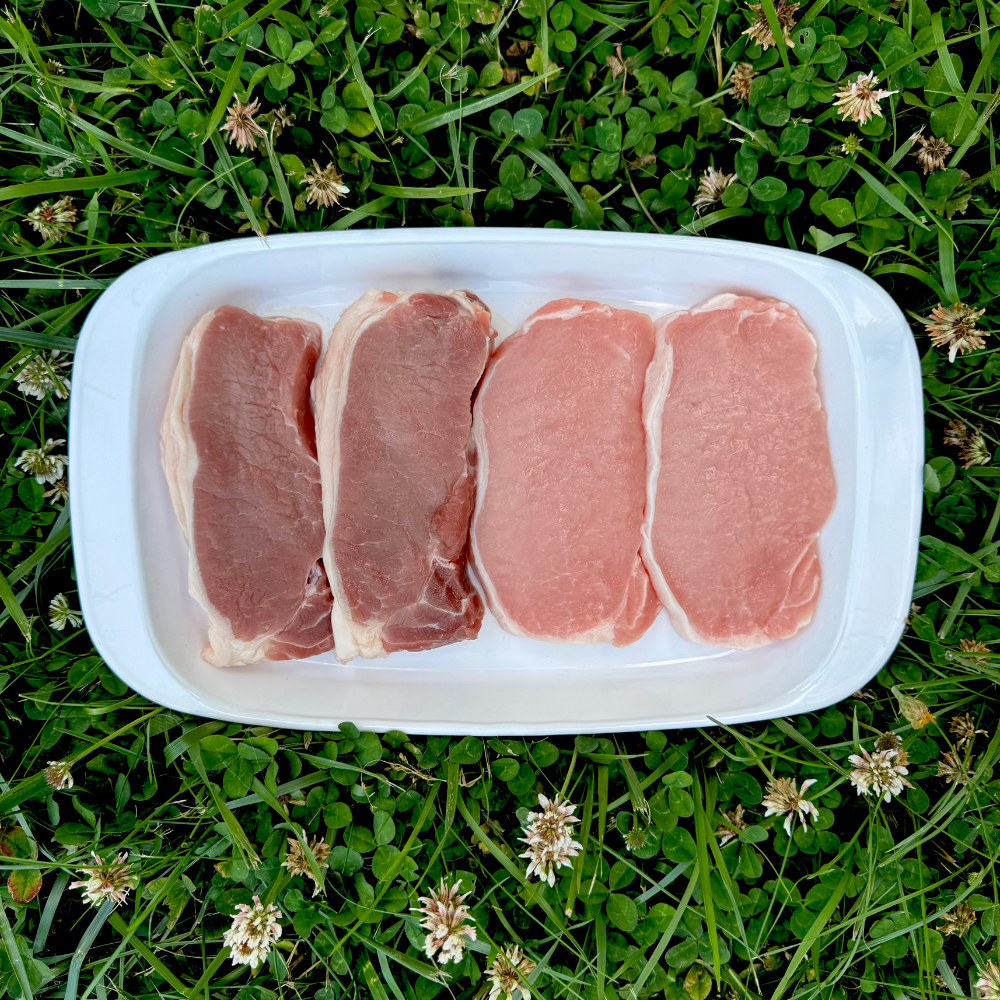
The pork chop to the right was purchased in a grocery store. The pork chop on the left was raised on our farm. Same animal, but two different ways of raising it. Why should you care how it is raised? How pigs are raised affects everything from the nutrition on your plate to the environmental impact on the land.
Nutrition
Pigs are monogastric, which means they digest and store fats more directly from their diet. This can cause a drastic change in the quality and taste of the meat. An animal’s stress level can also affect the quality of the meat, and even its texture.
All pork is not created equally. The same pork chop from your local farmer does not have the same nutrients as the one from a grocery store.
Nutritional studies have shown that pasture-raised pork has a higher nutritional value than conventionally confined pork. Pigs grown outside with the ability to forage have:
- 8% higher protein
- 2.4x more omega-3 fats
- 60% lower omega-6: omega-3 fat ratio
- 75% more selenium
- 2x more vitamin E
Another notable factor in the nutrients of pork is in the lard. Lard is the fat of the pig. If the pig is raised outside, in the sunshine, it can have up to 1,100 IU of vitamin D per tablespoon. That is one of the richest food-based sources of vitamin D because of the pig’s direct exposure to sunlight while in pasture. The vitamin D from the sun is stored in their fat and retained during the rendering process. However, the amount of vitamin D in lard from pigs not raised outside in sunshine is significantly lower.
Pasture-raised pork is known for its richer flavor, better marbling, and darker meat color.
Environmental Impact
Farmers design large-scale hog operations for efficiency, but that efficiency concentrates waste in one place. In many confinement systems, producers store manure in waste lagoons or ponds, where it can build up in large volumes. While managers regulate and maintain these systems, they can still pose environmental risks. If farmers do not properly manage them, runoff, groundwater contamination, and strong odors can affect nearby communities.
In contrast, farmers using pasture-based and regenerative systems take a very different approach. They rotate pigs across pasture, allowing manure to spread naturally and decompose where the soil can absorb it. This system keeps nutrients cycling through the land and improves soil quality by increasing microbial activity while reducing the need for synthetic fertilizers.
Rather than treating manure as a problem to manage, regenerative systems use it as a resource to build healthier soil.
Why Heritage Breed Pork Tastes Better
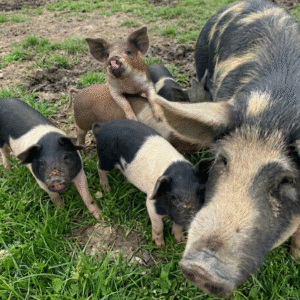
Farmers in conventional pork production have selected pigs for efficiency—fast growth, lean meat, and consistency in confinement systems. When they prioritize these traits, flavor often takes a back seat.
In contrast, farmers and heritage breed producers value pigs for their marbling and depth of flavor, which creates pork that tastes noticeably different from what you typically find in grocery stores. You can think of heritage pork breeds like heirloom vegetable varieties, but in livestock form.
Heritage breed pigs represent older varieties of livestock that have existed for generations. Over time, breeders have selectively developed them rather than optimizing them for modern confinement systems. These breeds typically grow more slowly than conventional hogs, but they often produce better flavor and adapt more naturally to outdoor and pasture-based systems. Heritage breed pork is not widely available. Retail prices of heritage breed pasture raised pork can range anywhere from $10 to $30 a pound, depending on the cut.
Common heritage pig breeds are below. We raise a mix of Big Black, Duroc, and Berkshire.
Berkshire pig
- Excellent marbling
- Dark, flavorful meat
- Premium pork reputation
- Appearance is typically black with a white band on the shoulders
Tamworth pig
- Excellent for pasture systems
- Great for bacon
- Hardy breed
- Appearance is typically orange to brown
Large Black pig
- Known for foraging ability
- Gentle temperament
- Thrives outdoors
- Appearance is typically all black
Duroc pig
- Fast growing
- Good meat quality
- Often crossed with heritage breeds
- Appearance is typically all orange with brown
Kune-Kune
- Smaller sized and slower growing
- Excellent marbling of meat
- Less rooting behavior
- Appearance is a small, barreled body, longer fur coat, with a smaller snout
Gloucestershire Old Spots
- Traditional homestead breed
- Great mothers
- Excellent pasture pigs
- Appearance is typically white with black spots
Why Buying Local Pork Matters
Buying local pork supports your family-run farms. If you know your farmer, then you know how your food has been raised. If you want the highest quality meat for your family, then it comes from people down the road, not corporations.
When you support local family farms, you are also saying no to the development of data centers and massive warehouses. Most of the time, farmers are selling their land to developers because farming is not as profitable as it used to be.
Supporting farmers and buying directly from them is a way to keep your dollars local. You also get to fill your freezer and get transparency into food production. Your food has a story, and you get to be a part of it when you support local.
What Is a Pork Share?
Pork shares are a cost-effective way of filling your freezer by buying in bulk and directly supporting the farmer. By purchasing a share, you are helping offset the cost of raising the pig. In return, you get the meat cuts organized to your preference. Think community support agriculture (CSA) for meat.
The difference between buying a share of meat and buying in bulk is that you don’t know the exact weight of the pig and the exact day you will get it. The farmer shares that variability with the consumer. Each pig grows differently, and they might not be “ready” at the same time.
Different farms offer different package options. The most common options are half or whole pig shares. I’ve seen breakfast and grilling packages available too. You can split the price with friends, coworkers, and family, depending on your needs. Most farms and butcher shops will let you determine the specific cuts of meat you want if you select a half or whole share.
Example of whole pork share:
200 lb. pig -> 150 lbs. hanging weight -> 100 lbs. of packaged pork
The typical cuts you can receive from a whole pig are below
- Bacon = 14lbs
- Ham = 18lbs
- Pork chops = 14lbs
- Shoulder = 18lbs
- Sausage = 18lbs
- Ground pork = 10lbs
- Ribs = 8lbs
- Extra: lard, feet, kidney, liver, tail etc.
If you want to sign up for pork shares click here
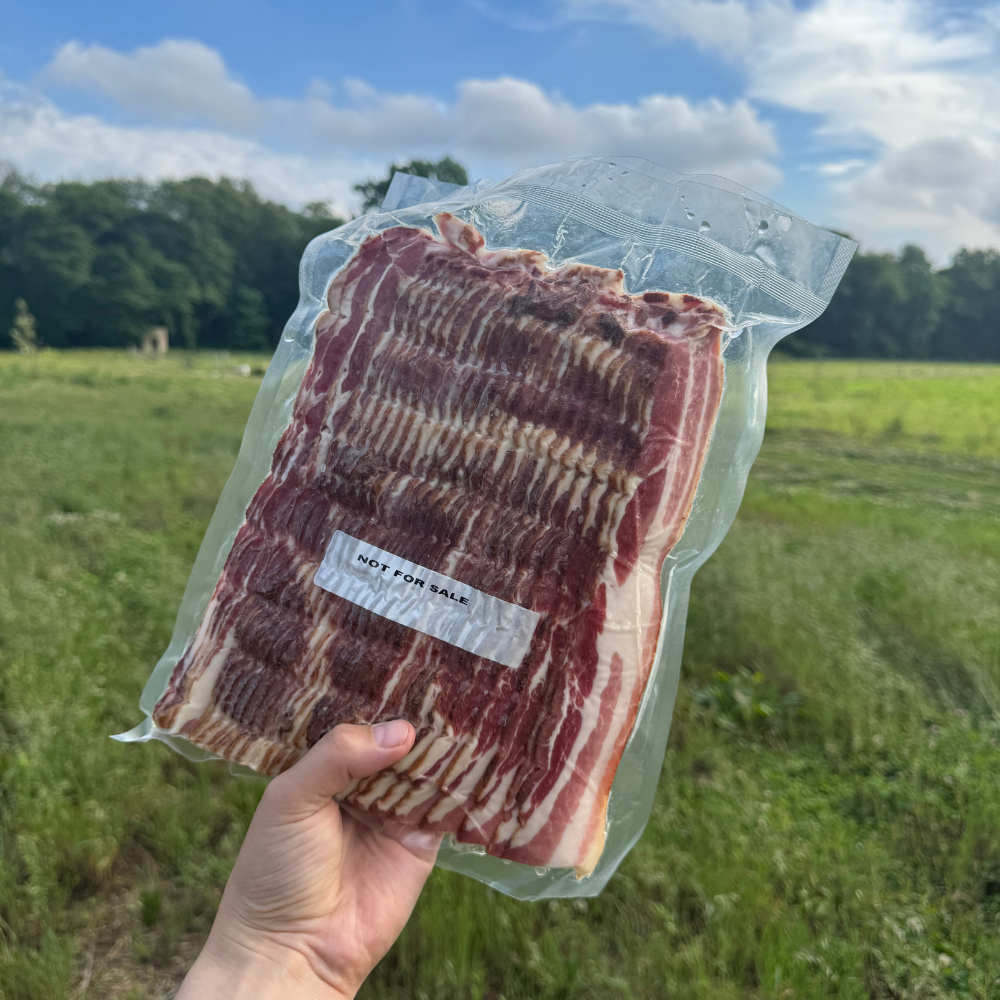
Buying a pork share allows farmers to sell directly to consumers within legal frameworks that support small-scale production. Most butcher shops do not operate as USDA-approved retail facilities. We take our pigs to a USDA-approved wholesale processing facility, which means they label the meat as “not for sale” and allow us to sell it directly as whole or half pork shares.
If farmers want to sell individual cuts like pork chops or bacon, they must send animals to a USDA-inspected processing facility. Because USDA-approved plants are limited—especially in states like New Jersey—farmers often travel hours to reach them. This adds transportation time, increases costs, and limits how easily farmers can offer individual cuts to customers.
This is one reason why pasture-raised pork and individual cuts can be more expensive. Buying a pork share is often the most affordable and direct way to purchase local meat
Frequently Asked Questions
We are a farm in south jersey and offer limited pork shares on a seasonal basis. At this time we do not ship our products. If you are local and interested in reading more about our specific pork shares click here.
- Is pasture-raised pork healthier?
- Yes! Nutritional studies have shown that pasture-raised pork has a higher nutritional value than conventionally confined pork. Pigs grown outside with the ability to forage have 8% higher protein, 2.4x more omega-3 fats, 60% lower omega-6: omega-3 fat ratio, 75% more selenium, and 2x more vitamin E
- Why does pasture raised pork cost more?
- They are raised in a way that prioritizes space, time, and quality over speed and efficiency.
- Does pasture raised pork taste different?
- Pigs are able to forage for roots, tubers, grubs, grasses, legumes, berries and whatever else they can meet their dietary needs. Their diet creates a flavor of meat unlike grocery store pork.
- How much freezer space do I need for a pork share?
- A whole pig will require 6 cubic feet of space. Allow 1.5 cubic feet for a quarter share and 3 cubic feet for a half share
- What is hanging weight?
- The hanging weight is the weight after slaughter with the blood and organs removed. This is about 60% of the live weight.
- Is pasture-raised pork processed differently?
- It depends on where your farmer takes the pig. We take our pigs to a USDA-certified slaughterhouse. Buying a pork share allows farmers to sell directly to consumers by getting around the regulations that could inhibit them otherwise.
- Are pasture-raised pigs fed soy or corn?
- This depends on the farmer. Pigs will still need to be supplemented with feed while on pasture, but they won’t require as much feed compared to conventional confinement houses
- Can pigs really live outdoors year-round?
- Yes, pigs have a thick layer of fat that keeps them warm in the winter. Pigs do not sweat so they need a mud puddle to cool off during the summer.
Conclusion
If you have tried pork in the grocery store and didn’t like it, it’s not how you cooked it, it’s how the pig was raised. Pasture-raised pork has more flavor because of how it was raised. When pigs have access to roots, tubers, grubs, grasses, legumes, berries on pasture, it creates a flavor of meat that will make you love pork again. Not only is pasture-raised pork more flavorful, but raising pigs that way helps improve the ecosystem. Pigs improve the soil naturally by tiling it up and rooting around. Pigs naturally till, fertilize, and rebuild soil -all at the same time.
Pasture-raised pork is one of the first animals we raised on our farm. We offer pasture-raised pork on a local, limited and seasonal basis. We are opening pork share sign-ups soon. If you aren’t local, please find a local farm or a farm that ships to you.
This post may contain affiliate links. Please read our disclosure policy

Thank you so much for sharing all of this information! My husband and I always talk about raising pigs but just haven’t been sure. This is so helpful!