How to Make Elderflower Cordial (Easy Homemade Recipe)
Elderflowers are one of the first signs of summer for me. The cluster of beautiful elderflowers lines the forested edge on our farm. I love to use elderflowers in the kitchen because it is so versatile and has health benefits. My favorite way to use elderflowers is a delicious elderflower cordial.
In this post, you’ll learn what they are, the benefits, how to identify elderflowers, and how to use them with homemade elderflower cordial recipe.
What Are Elderflowers?
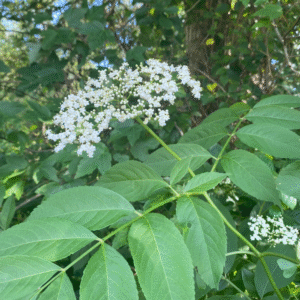
Elderflowers are the blossoms of the black elderberry shrub, Sambucus nigra. Elderberries grow along roadsides, field edges, and woodland borders. Elderflowers grow before the actual elderberries develop and are prized for their fragrance and culinary uses.
The small white flowers grow in large flat-topped clusters. When in full bloom, the flower heads can measure several inches across and attract a variety of beneficial insects.
In our region of South Jersey, elderflowers typically bloom from late May through June, depending on weather conditions. Once the elderflowers are pollinated, the elderberries develop into small black berries. NOTE: picking the elderflowers will mean your elderberry bush will not produce berries that year.
People have been using elderflowers in medicine, food, and beverages for centuries. Elderflowers are most commonly used in cordials, syrups, teas, and wines.
Health Benefits of Elderflowers
Disclaimer: This information is for educational purposes only and is not intended as medical advice. Consult a qualified healthcare professional regarding any health concern or before using herbal remedies.
People have relied on elderflowers in herbal remedies and traditional folk medicine for generations. Today, researchers continue to study their health benefits, while cooks and homesteaders appreciate elderflowers for their many culinary uses.
Elderflower health benefits are:
- antioxidant to protect against oxidative stress
- anti-inflammatory properties
- support the immune system
- promote respiratory health
- provide seasonal wellness support
- aid digestion and have
- mild diuretic properties
How to Identify Elderflowers
Characteristics
Elderflowers grow in large, flat clusters of tiny creamy-white flowers that resemble delicate umbrellas. One of the easiest ways to identify them is by their sweet floral fragrance.
The shrubs have compound leaves, meaning each leaf consists of multiple leaflets growing from a single stem. Elderberry shrubs typically grow as large, multi-stemmed bushes and can reach heights of 5 to 12 feet, depending on variety and growing conditions.
Look-Alikes and Safety
Proper plant identification is essential before harvesting any wild edible plant. While elderflowers are relatively easy to identify, several plants produce clusters of white flowers that may appear similar from a distance. Some common look-alikes are:
- Queens Anne lace
- Water Hemlock
- Poison hemlock
Take time to learn the key characteristics of elderberry shrubs and consult multiple identification resources when foraging. Never consume any plant unless you are completely certain of its identity.
How to Harvest Elderflowers
Elderberries grow along roadsides, field edges, and woodland borders. Once you have identified elderflowers, you can use clean scissors or hand pruners to cut flower heads that are fully open and fragrant. The best time to harvest elderflowers is on a dry morning after the dew has evaporated. Harvest only what you need and leave plenty behind for pollinators and for the elderberries that will develop later in the season.
Before bringing the flowers inside, gently shake each cluster to remove insects. Avoid washing the flowers unless absolutely necessary, since much of their flavor comes from the pollen. Picking the elderflowers will mean your elderberry bush will not produce berries that year.
What Do Elderflowers Taste Like?
Elderflowers have a sweet smell that tastes like honey, pear, and citrus. Their sweet floral aroma is unlike anything else in the garden, making them a true seasonal treasure.
How long can you store Elderflowers?
Fresh elderflowers are best used within 24 hours of harvest. Dried elderflowers can be stored in an airtight container in a cool, dark place for up to a year. Preserving homemade elderflower cordial or elderflower syrup will keep in the refrigerator for up to six months, making it a wonderful way of preserving elderflowers and extending the harvest.
Ways to Use Elderflowers
If you’re wondering what to do with elderflowers, the possibilities are endless. Elderflowers can be used into homemade cordials, elderflower syrup, refreshing lemonade, herbal teas, jellies, wines, cakes, scones, frostings, and even used as an edible garnish. Their delicate floral flavor makes them one of the most versatile wild harvests of the season.
- Elderflower Cordial
- Elderflower Lemonade
- Elderflower Tea using fresh or dried blossoms
- Elderflower Jelly
- Cakes
- Scones
- Frostings
- Garnish
Homemade Elderflower Cordial Recipe
What Is Elderflower Cordial?
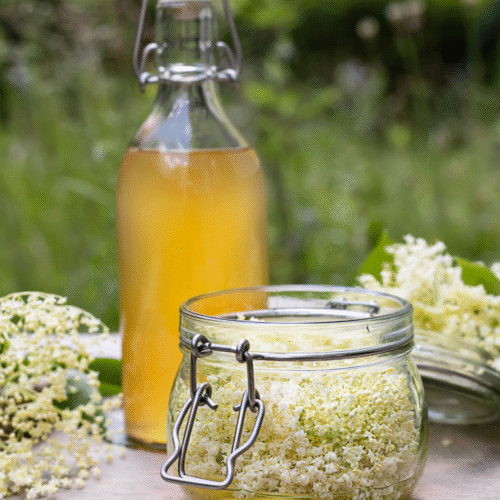
Fresh elderflowers and lemons combine to create a concentrated syrup called elderflower cordial. This homemade elderflower syrup preserves the delicate flavor of spring so you can savor it long after the blooming season ends.
How to Use Elderflower Cordial
- Sparkling water
- Lemonade
- Iced tea
- Cocktails and mocktails
- Fruit salads
- Drizzled over desserts
- Mixed into yogurt
Equipment
- Large bowl or pot
- Fine strainer
- Cheesecloth
- Glass jars or bottles
Ingredients
- 15 Fresh elderflower heads
- 1 un-waxed Lemons
- 3 cups of Sugar
- 3 cups Water
Instructions
- Prepare Flowers: Gently shake the flowers and do not rinse – this will wash out any pollen from the flowers.
- Peel the skin off the lemons, then cut two of the lemons into slices, and juice the remaining lemon.
- Make Syrup: Pour 3 cups of water into a large saucepan and place it over a medium heat. Add sugar and stir. Allow the sugar to melt completely, stirring occasionally. Bring the mixture to boil, then remove it from heat and set aside
- Steep Elderflowers: Add elderflowers, lemon slices, lemon peel and lemon juice to the mixture. Stir together using a spoon or spatula and gently press the elderflowers, so they are covered and submerged in the water. Cover the mixture with lid, and allow it to infuse for 24 hours.
- Strain: Use a clean tea towel or a muslin cloth to line the kitchen sieve with, then strain the cordial through it, disposing of any bits left in the towel/ cloth. Use a funnel and ladle to pour the cordial into sterilized bottles or jars.
- Bottle and Store in the refrigerator for 6 months.
Have an elderflower recipe? Share your favorite way to use elderflowers in the comments
This post may contain affiliate links. Please read our disclosure policy